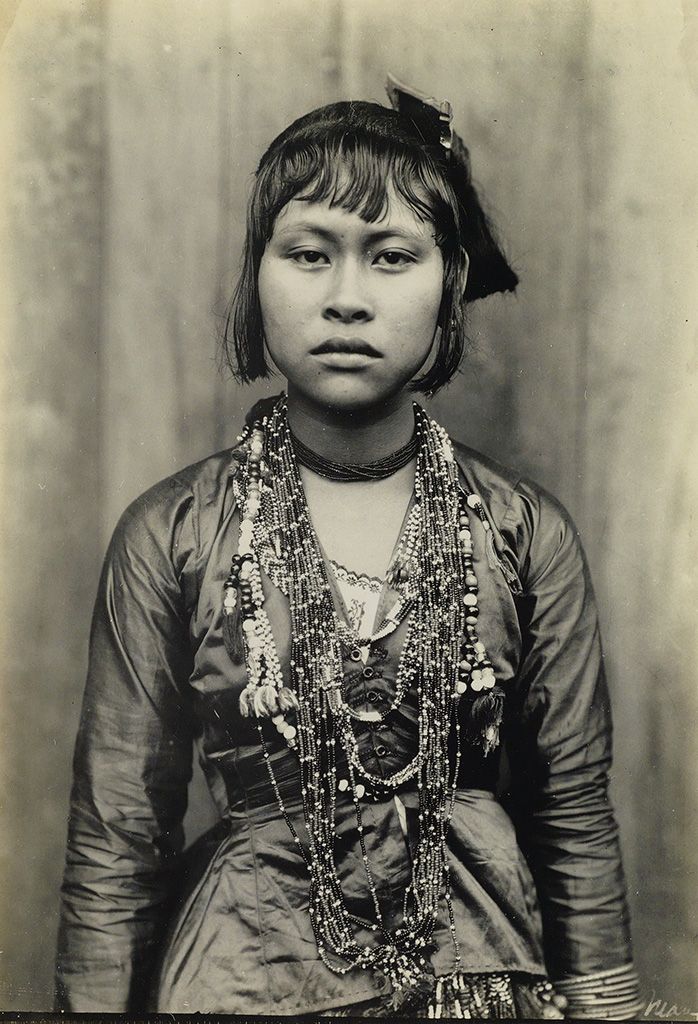
1910
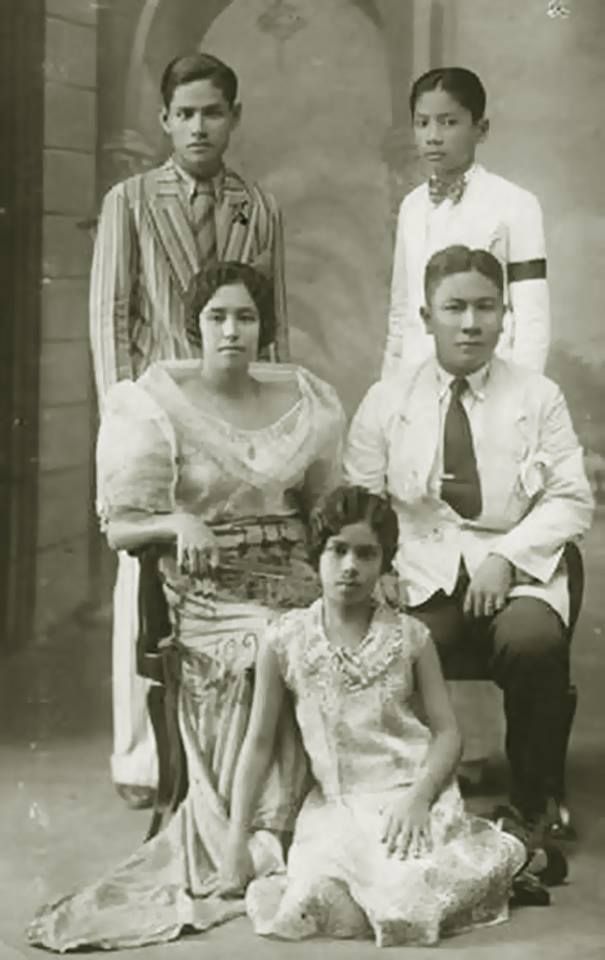
Indigenous women were adorned with tribal tattoos and didn’t wear any makeup. Their hair was left straight, parted down the middle, and decorated with beaded headbands. The women then wore the Traje de Mestiza, the more modern version of the Maria Clara. It had bigger sleeves and a narrower floor length skirt with a long train called saya de cola and replaced the full wide skirt reflecting the Edwardian Fashion of the West.

1920
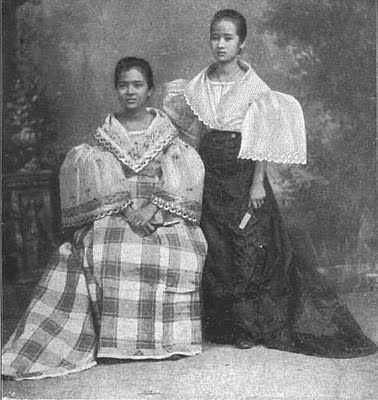
Women were heavily influenced by Spanish and American trends, wearing intricate dresses, but embracing flapper-inspired hair and makeup. Lighter skin was also seen as a symbol of health. By the 1920s, the style of the skirt still remained, influenced by the flapper dress; however, the wide sleeves had been replaced by butterfly sleeves (popularized by local couturier Pacita Longos), and the big pañuelo reduced its size.
1930
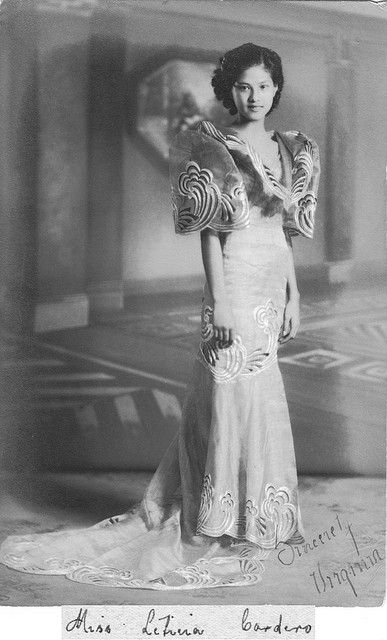
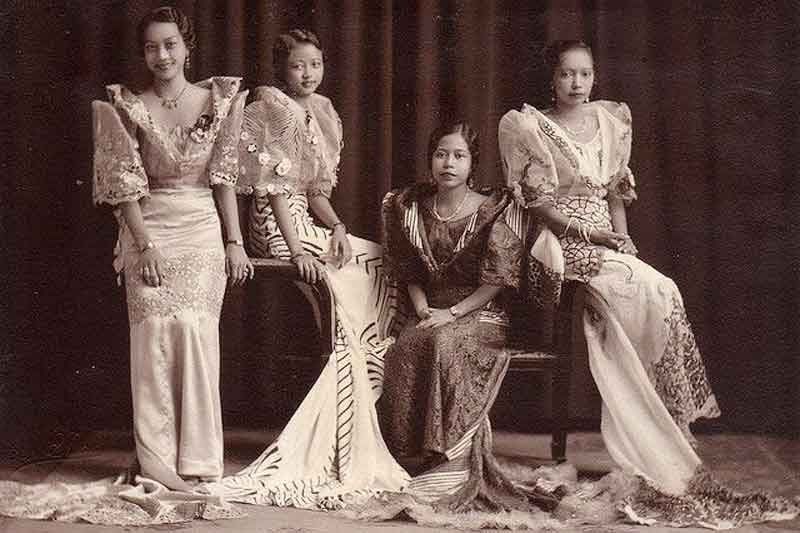
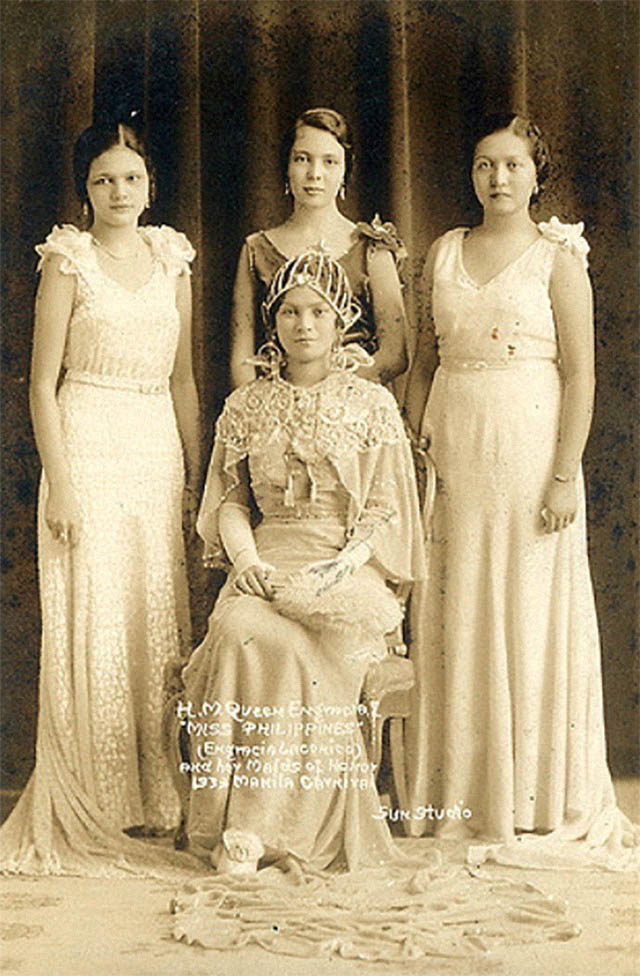
Women were inspired by jazz and actresses seen on the silver screen as the golden age of cinema began. Makeup became more dramatic, while glitz and glamour were emphasized.
1940
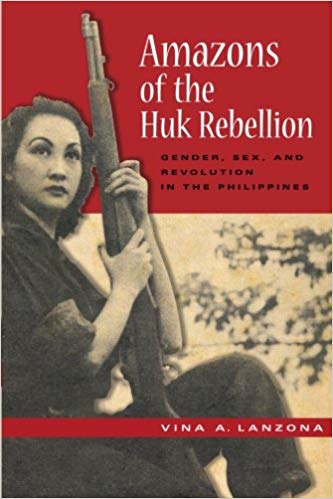
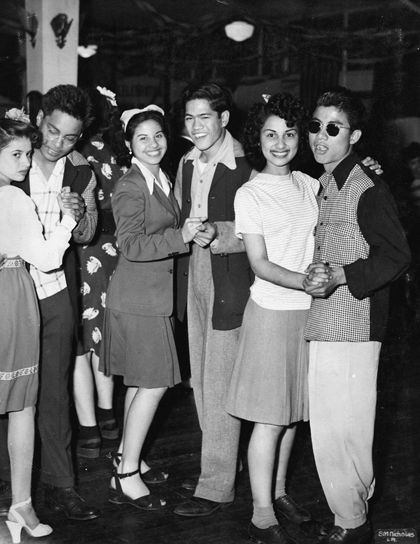
The women of the Huk Rebellion were seen with effortlessly wavy hair and ruby red lips. However, makeup was hard to come by for most women during that time. nly the older people wore their old terno dresses. Clothing boutiques only sold monochromatic dresses, mostly in dark tones. The shirtwaist dresses of the previous decade also became popular in the 1940s with a simpler look. After the war, most of the people either lost their clothes or could not find new clothes. In 1946, the country began its reparation and Manila’s restoration. However, the lack of dressmakers made the fashion of the 1930s and early 1940s remain popular for the rest of the decade.
1950
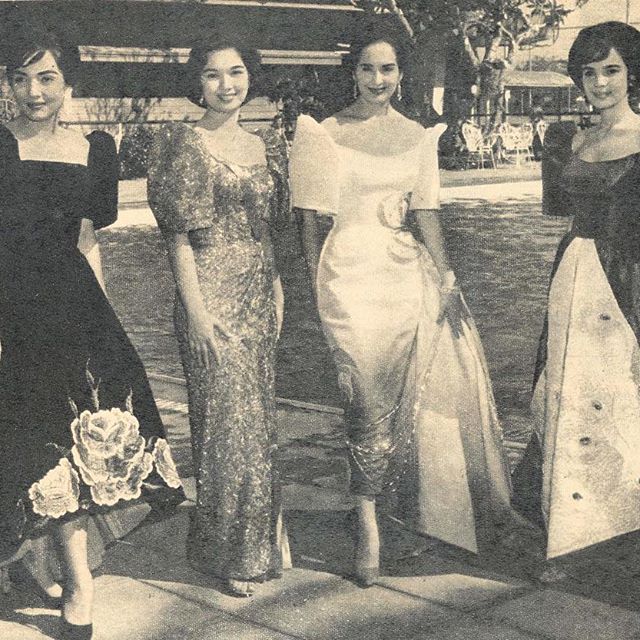
Women wore caked-on foundation to get smooth, glowing skin that wasn’t too light or too dark. Their eyes were lined, their lips were covered in bright red lipstick, and their cheeks were perfectly rosy. By the late 1950s, women started to wear dresses and with floral prints and fuller knee-length skirts. The style was inspired by Christian Dior’s “New Look” collection characterized by a below-mid-calf length, full-skirt, pointed bust, small waist, and rounded shoulder line. Summer and Day dresses became popular, as well as the pencil skirts and cardigans.
1960
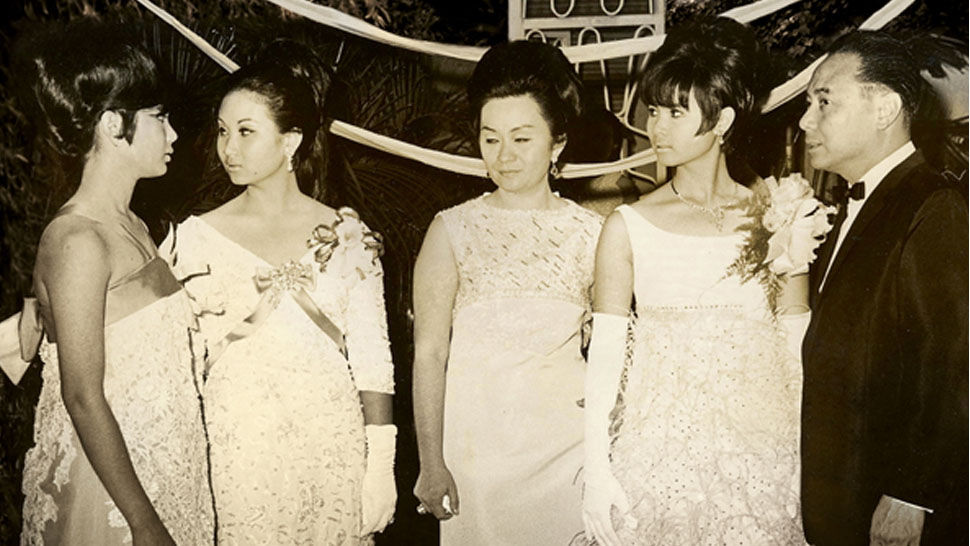
Women emulated Imelda Marcos’ bouffant hair and wanted to embrace her glamour. Light skin contrasted by dark eyebrows was all the rage. When the 1960s entered, most of the styles from the late 1950s still remained; however, due to the rise of British pop culture that spread in United States and other parts of the world, fashion started to change. A new kind of dress invented by Mary Quant, called the miniskirt, mini dresses started to become popular and mod style fashions also emerged. Hair became very stylish as the hair were styled bigger and higher with the use of hairspray. By the mid-1960s, the hemlines rose and the clothes loosened, influenced by the mod culture.
1970
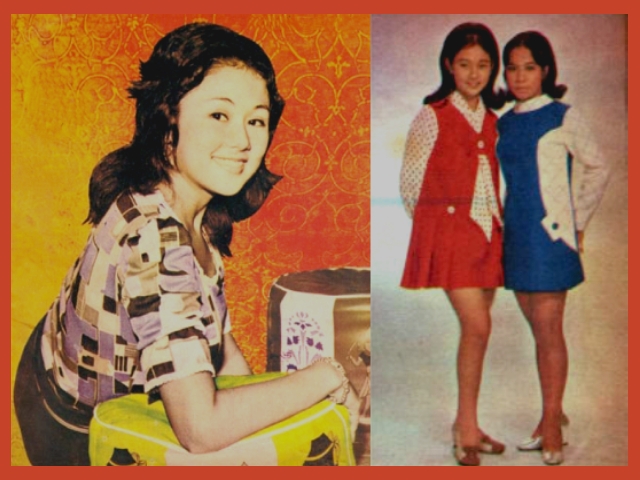
Women were inspired by Karilagan models, teasing and styling their hair with pattern headbands. Their eyes became the stars of the show, covered in dark, dramatic makeup. With the popularity of the hippie culture in the late 1960s, many Filipinos embraced this culture which has continued until the early seventies. At the same time, the rise of Filipino Nationalism began and both movements influenced the way people lived and dressed. The early 1970s saw women start to abandon mini-dresses for a more modest clothing such as maxi skirts.
1980
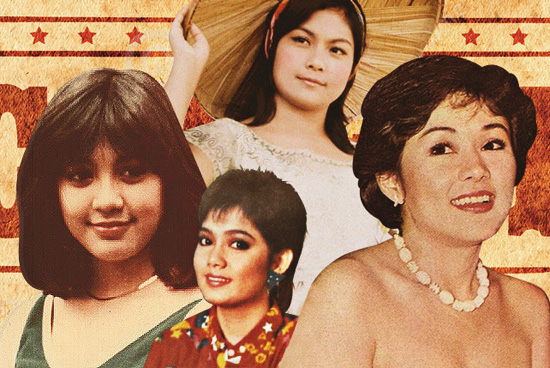
Women began to play with very bright makeup, from purple eyeshadow to pink, shiny lips. Side-swept bangs were in, complemented by straightened teased hair. Due to the power dressing movement, women, usually young adults, also started to wear clothes with shoulder pads while teenagers started wearing neon colored clothes. Miniskirts also came back in popularity. Hairstyles were also emphasized as most women had their hair curled.
1990
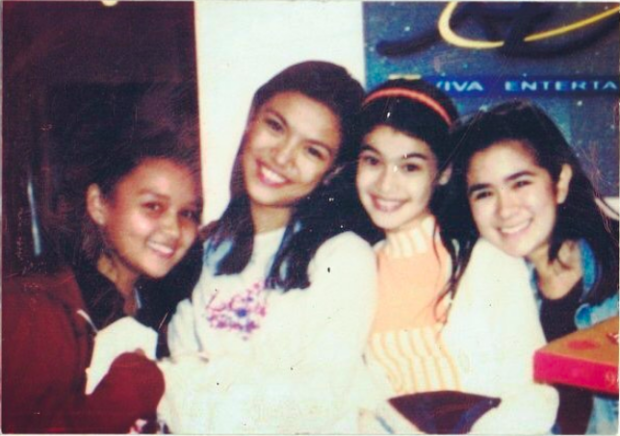
America’s ’90s fashion and culture was infiltrating everywhere. Women began decorating their hair in butterfly clips, adopting the zig-zag part, and wearing chunky jewelry. Women also wore loose, simple and casual clothing such as oversized shirts, denim shorts, denim jeans, simple blouses and sneakers. Skirts weren’t as popular as denim throughout the decade.
Now
Fashion today is a lot more bold and stylish. Filipino women wear clothes that are more color coordinated or monochrome. Showy yet conservative outifts are a lot more worn due to the country’s weather and climate. Jewelries worn are a lot more simpler than recent years and is now more on silver or gold showing more class and boldness of a woman.
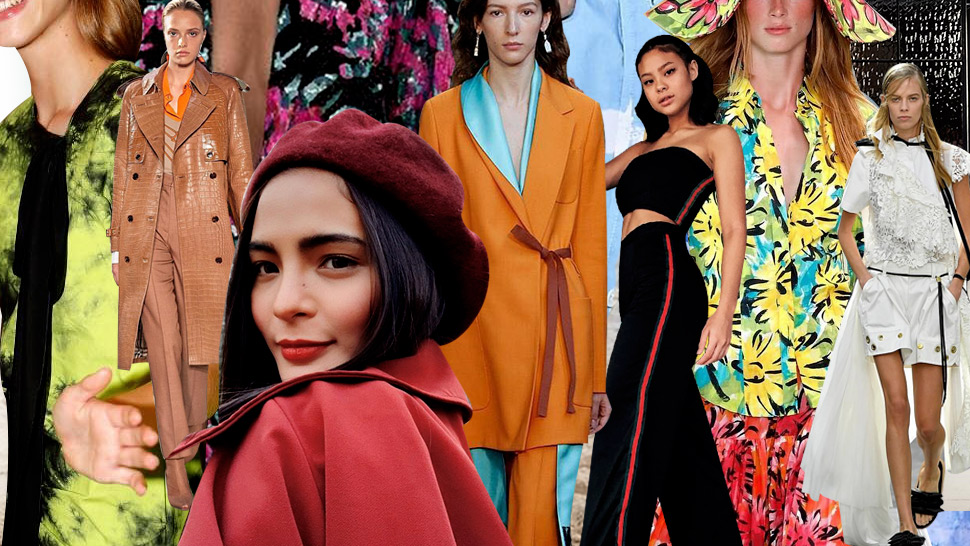
The best outfit to wear are those who speak you and show who you are, fashion is not just about how you present yourself but it shows your personality as well. Outfit is more than the clothes you wear. Make them remember you by showing your class through how you dress yourself.
paraluman
[noun] muse; beauty queen
 Paraluman